Why Your Attic Should Be Inspected Before a Roof Replacement
Why the Attic Matters Before a Roof Replacement
While the shingles are on the outside, an attic inspection often provides one of the best views of a roof’s condition. Whenever possible and safe, a reputable roofing contractor should take time to inspect the attic before quoting or charging for a roof replacement. From this view you will likely see signs of water entering your home, damage to the roof decking, blockage of venting in the attic, excessive moisture, inadequate insulation and/or fans that exhaust into the wrong location. These issues would be very difficult or nearly impossible to identify with just a visual examination of the shingles.
For Fairfield County homeowners, the attic is especially important. Connecticut’s rain, snow, freezing temperatures, humid summers and repeated freeze-thaw cycles can expose weaknesses in the roof and attic as one connected system. Inspecting both sides helps create a more complete plan before the first shingle is removed.
Key Takeaways
- An accessible attic should be evaluated before roof replacement whenever it is safe to do so.
- The interior view can reveal leak patterns, visible decking damage, condensation and ventilation limitations.
- An attic inspection reduces uncertainty, but some concealed damage cannot be confirmed until tear-off.
- Connecticut ice dams and winter condensation may involve air leakage, insulation and ventilation—not shingles alone.
- A written proposal should explain how concealed decking damage and change orders will be documented and priced.
Planning a roof replacement in Fairfield County? North East Roofing & Home Improvement can evaluate the roof system and explain the findings before work begins. Call (203) 912-4059 or request a free quote.
Does a Roofer Need to Inspect the Attic Before Replacing a Roof?
When the attic is safe for entry and conditions are suitable, an attic inspection is highly recommended. The contractor will then have access to the underside of the roof decking. An attic inspection will provide information on possible problems in areas that were previously invisible from an exterior inspection.
Although an attic inspection can offer some assurance that potential issues are identified, there may always be an area hidden by insulation, a finished ceiling or an inaccessible location. As with any removal process, conditions can change once the old roofing material has been taken off. Examining the attic before the project begins reduces the number of unknowns and gives the homeowner a much more informed scope of work.
If it is not feasible to enter the attic, the contractor should advise the homeowner of this limitation, explain what alternative inspection methods will be used, and clearly state which conditions may remain unknown until tear-off.
What Roofers Look for During an Attic Inspection
1. Water Stains and Active Leaks
Evidence of past or present water damage includes dark spots, dampness in wood, rusted fasteners, wet insulation and daylight coming through gaps where pipes, vents and other materials penetrate the roof. The inspector will look for these signs near chimneys, plumbing vent locations, skylights, roof valleys, roof-to-wall intersections, ridge vents, eaves and soffits.
Interior staining does not always represent the exact source of the leak. Water can migrate down rafters, sheathing, or along fastener lines before it becomes visible, which is why attic findings should be compared with conditions found on the roof.
2. Roof Sheathing and Decking Condition
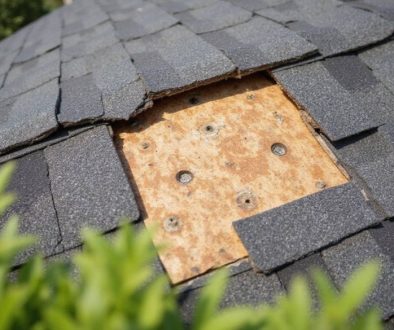
Roofing contractors typically observe roof sheathing from underneath the underlayment and shingles; this structural layer is often made of plywood or oriented strand board (OSB). Inside the attic, a contractor may note signs of possible issues with the sheathing, including discolored spots, sagging at the edge of the deck, separation at the joints, rot, previous patchwork, wide gaps between individual boards on older decking, or rusted fasteners.
These conditions only indicate which parts of the deck might need closer evaluation; the full extent of any damage usually cannot be confirmed until the old roofing has been removed. A transparent proposal should explain how any decking found to be damaged will be documented, priced and approved before additional replacement moves forward.
3. Attic Ventilation
Typically, an effective balanced ventilation system draws in fresh air low at the soffits and pushes out stale air higher through the ridge or other exhaust vents. It is not just about installing additional venting; intake and exhaust need to work together.
Checking for issues such as insulation blocking soffit vents, missing baffles, insufficient intake or exhaust, disconnected ductwork, competing exhaust systems, and excessive heat or moisture can help identify ventilation problems found during an attic inspection.
Attic Inspection Findings at a Glance
| Inspection Area | What the Roofer May See | Why It Matters |
|---|---|---|
| Roof decking | Stains, sagging, rot, delamination or older board gaps | May affect scope, decking allowance and installation planning |
| Ventilation | Blocked soffits, missing baffles or inadequate exhaust | Can contribute to heat and moisture buildup |
| Moisture | Frost, damp insulation, corrosion or dark spotting | May indicate leaks, condensation or indoor moisture migration |
| Exhaust ducts | Loose, damaged or attic-terminated bathroom and kitchen ducts | Can discharge warm, humid air against the roof deck |
| Insulation | Wet, compressed, missing or uneven insulation | May contribute to heat loss and uneven roof temperatures |
| Framing | Sagging, cracked members, cuts or previous alterations | May require evaluation by a qualified structural professional |
4. Moisture, Condensation and Possible Microbial Growth
Moisture inside an attic does not always come from a roof leak. Warm, humid air from the living space can enter through gaps around light fixtures, attic hatches, plumbing penetrations and mechanical chases. When that air contacts a cold roof deck during a Connecticut winter, condensation may form.
Warning signs of an attic problem include frost or water droplets on fasteners and sheathing, musty odors, wet insulation, dark spotting that appears to spread from within the wood, and corrosion or deterioration of wood surfaces. A professional roofing contractor can document these visible conditions, but suspected mold growth, significant structural damage, or a particularly complex moisture problem is best referred to an appropriately qualified specialist.
5. Bathroom, Kitchen and Dryer Exhaust Ducts
Moisture-producing appliances and exhaust fans should never vent directly into the attic. Ductwork that is loose, damaged, or improperly sealed can circulate warm, humid air against the underside of the roof deck, contributing to condensation and wood deterioration.
The roofer should determine whether visible exhaust ducts are properly routed and terminated outside the building, rather than into the attic. If ducts have been damaged or improperly routed, correcting the issue may require another trade.
6. Insulation and Air-Leak Indicators
Roofing contractors are not conducting a full energy audit, but signs such as uneven, missing, or wet insulation can point to areas where air is leaking. In winter, excess heat escaping into the attic can warm the upper roof surface; snow melts there, flows toward the colder eaves, and refreezes, contributing to ice-dam formation.
A new roof provides critical water-shedding protection, but shingles alone will not fix underlying air-sealing, insulation, or ventilation issues.
7. Framing and Structural Warning Signs
The attic may also expose framing components such as rafters, trusses, and collar ties. A roofer may document obvious concerns here, including sagging, cracked members, unauthorized cuts, fire damage, or previous alterations. Conditions that may affect structural capacity should be referred to a qualified structural professional.

roof-decking-water-stain-attic-inspection
Why the Attic Matters to a Roof Replacement Estimate
An exterior measurement can estimate roof area and visible accessories, but it cannot tell the entire story. The attic may reveal conditions that affect materials, labor, sequencing, or coordination with other trades.
An inspection may show that the project should account for probable areas of deteriorated decking, ventilation improvements, corrected roof-vent penetrations, wet insulation, further moisture investigation, access limitations, or additional documentation once tear-off begins. This does not mean every hidden condition can be folded into a fixed price. It means the contractor can explain foreseeable risks up front and lay out a clear process for handling any conditions that turn out to be genuinely concealed.
What Can Happen When the Attic Is Skipped?
Leaving the attic out of the inspection can lead to an incomplete diagnosis. An estimate based only on what’s visible from outside may leave moisture and ventilation problems unaddressed, increasing the likelihood of decking-related change orders once tear-off begins.
New shingles can go on while an attic moisture source keeps causing trouble: condensation or ice-dam symptoms may return, and the project may be delayed while the unexpected conditions are sorted out.
The lowest initial estimate isn’t necessarily the lowest final cost, so compare the inspection process, scope, exclusions, material specifications, and change-order terms, not just the number at the bottom of the proposal.

balanced-attic-ventilation-soffit-ridge-diagram
What a Complete Pre-Replacement Roof Inspection Should Include
Exterior Roof Assessment
A contractor should evaluate the roofing components that are accessible, including shingles, flashing, valleys, penetrations, chimneys, skylights, roof edges, and visible sagging. When walking the roof isn’t safe, ground-based photography, pole cameras, or drone imaging may be used where lawful and appropriate.
Attic Assessment
When safe attic access is available, the contractor should also check the underside of the deck, visible framing, leak indicators, ventilation pathways, insulation conditions, and exhaust-duct terminations.
Gutter and Drainage Review
Gutters, downspouts, and roof drainage affect how water leaves the roofing system, so loose gutters, clogged outlets, poor discharge locations, or damaged roof edges should all be documented.
Photographic Documentation
Photos help homeowners see what was found and compare it with the proposed work. Ask which photos show active concerns, normal aging, or conditions that need confirmation during tear-off.
Written Scope and Allowances
The proposal should identify the roofing system, tear-off assumptions, underlayment, ice-barrier locations, flashing approach, ventilation work, disposal, warranties, and how concealed decking damage will be handled. If decking replacement is billed separately, the unit price or pricing method should be stated in writing.

roofer-documenting-attic-condition-connecticut-home
Can You Get a Roof Estimate Without an Attic Inspection?
Yes, but the estimate will carry more uncertainty since the attic is accessible yet wasn’t inspected. Remote measurements and exterior observations are useful for calculating roof size and spotting obvious visible conditions, but they can’t confirm what’s happening beneath the deck.
If a contractor gives you an estimate without entering the attic, ask whether access was unsafe, what couldn’t be evaluated, which costs may change after tear-off, how any unexpected decking damage will be documented, which unit price applies, and how ventilation will be assessed. A responsible contractor should be comfortable explaining the limits of their inspection.
Questions to Ask Before Accepting a Roof Replacement Proposal
- Will you inspect the attic if it is safely accessible?
- Will I receive photos of visible roof and attic conditions?
- How do you evaluate intake and exhaust ventilation?
- What happens if damaged decking is discovered during tear-off?
- Is decking replacement priced by sheet, square foot or another method?
- Which ice-and-water protection will be installed, and where?
- How will chimneys, skylights, walls and roof penetrations be flashed?
- Who is responsible for required permits?
- What workmanship and manufacturer warranties are included?
- Are you registered, insured and qualified to perform home-improvement work in Connecticut?
Avoid a contractor who wants you to sign an agreement today, won’t document what they find, or can’t explain why the final price might change from the original estimate.
What to Expect From North East Roofing & Home Improvement
North East Roofing & Home Improvement serves Stamford, Greenwich, Norwalk, Westport, Darien, Fairfield, Bridgeport and communities throughout Fairfield County. Our roof-replacement process begins with an evaluation of the existing roof and the visible components that affect performance.
When attic access is available and safe, the interior conditions can be considered alongside the exterior roof, flashing, ventilation, and drainage. We walk through what we find, distinguish observations from conditions that require tear-off to confirm, and provide a written proposal for the recommended work. Our roof replacement services may include complete tear-off, asphalt or architectural shingle installation, underlayment and ice-and-water protection, flashing and ventilation updates, documented decking replacement, gutter coordination, final inspection, and warranty documentation.
Schedule a Roof Inspection in Fairfield County, CT
You need to evaluate your entire roof system: shingles are just one part of it. Looking into the attic before a roof replacement can reveal water issues, poor ventilation, or decking problems while there is still time to plan for them.
If your roof is aging, leaking or showing storm damage, schedule an inspection with North East Roofing & Home Improvement. We will help you understand what is visible now, what may remain concealed until tear-off and which next step makes sense for your property.
For a free roof inspection or replacement quote, call North East Roofing & Home Improvement at (203) 912-4059 or request a free quote online.
Continue learning with our roof replacement and tear-off guide, explore roof replacement services in Fairfield County, or learn about professional roof repair.