7 Signs Your Roof Can Be Repaired Instead of Replaced
Signs your roof can be repaired instead of replaced include isolated leaks, a few damaged shingles, repairable flashing damage, and solid decking underneath where the roof was damaged. For many residents of Fairfield County, identifying if their roof damage is limited to one area or if it’s widespread will determine if they need to perform repairs to the roof or replace the entire roof.
Stains on ceilings and lost shingles in yards are both symptoms of possible roof failure; however, this does not necessarily mean that the entire roofing system has failed. Factors that impact whether a repair is feasible include where the damage occurred, how much of the surrounding material is still in good condition, how extensive the damage is, and whether the repaired area would be stable or potentially weaken the surrounding area.
The indicators below should give you some sense of when repair might be feasible. They are not a replacement for having a roofer look at the home from the top (on the roof) and from the bottom (in the attic), particularly after strong winds, hail, fallen limbs, or water actively coming through.
Safety first: Do not climb onto a wet, steep, icy, or visibly damaged roof. Inspect what you can safely see from the ground and inside the attic, then have a qualified roofer evaluate the system.
Key Takeaways
- Localized damage is usually more repairable than deterioration affecting several roof sections.
- Roof age matters, but the condition of the shingles, underlayment, flashing, ventilation, and decking matters more.
- Missing shingles, flashing defects, nail pops, and a single damaged valley may be repairable when the surrounding roof remains sound.
- A professional inspection should identify the source of the leak, not merely patch the place where water became visible indoors.
- Repair is less appropriate when damage is widespread, the deck is soft or sagging, or recurring leaks indicate broader system failure.

What Makes a Roof a Good Candidate for Repair?
Whether a roofing repair will be worthwhile depends upon the ability to determine the cause of the issue, to remove or replace the damaged component(s), to reinstate the weather barrier around the repair, and to leave the remainder of the roof with sufficient residual service life to support the costs associated with the repair. This assessment cannot occur from your driveway. Because water can run down rafters, sheathing, fasteners and insulation before finally appearing as a water stain on a ceiling, the location of the water stain may not provide an indication of where the leakage is located.
The fact that there are many years of original service life left in a new roof provides a significant advantage over an older roof. However, there is no specific age limitation for making repairs. A roof which was improperly constructed/installed or poorly ventilated may prematurely degrade. In contrast, an old roof that has been properly maintained and cared for may only require minor repairs. Therefore, the inspection results, rather than the calendar date, should guide the recommendations.
1. Only a Few Shingles Are Missing or Damaged
Strong winds typically blow single shingles loose (or even remove them) while leaving other parts of the roof intact. In many cases if only one part of your roof is damaged and no water entered into the underlayment or decking underneath, the roofer may simply replace the affected shingles and leave the rest of your roof in its existing state.
It is very important for the roofer to inspect the shingles adjacent to the area being repaired. The roofer needs to determine whether these shingles can bend high enough to receive nails, lie back down flat and sealed without cracking, and have the same amount of overlap and nail spacing as before. Any shingles which were creased by strong winds and remain on the roof usually need to be replaced as well. This is because a crease can crack the reinforcing mat inside the shingle or the adhesive strip that keeps it stuck down.
In addition, the roofer should confirm that an appropriate replacement shingle is available. Older or discontinued shingle lines can be hard to match on color, profile, thickness, and weathering, and the roofer should be able to tell you how noticeable the repaired area is likely to be from the ground.
What a Roofer Will Check
- Whether the damage is limited to one roof plane or spread across multiple slopes
- Whether nearby shingles are brittle, curled, loose, or heavily worn
- Whether underlayment or decking was exposed long enough to absorb water
- Whether a compatible replacement shingle can be installed correctly
2. The Leak Is Isolated to One Repairable Source
A single leak is usually due to damage from one element or hole in the roof (not the entire roof), such as a cracked plumbing vent boot, a loose fitting pipe collar, a nail that has come loose, a small piece of flashing that is compromised, or a handful of missing shingles from wind/debris.
Finding where the water came into your home is essential. Your repairs need to focus on this entry point and be sure to replace any damaged roof elements along with addressing any wet insulation/sheathing if you have either. Applying sealants to the stain inside your home or even to the first questionable spot on the roof will just mask the symptoms of the problem, not fix them.
If there is one area of moisture (with no other signs of moisture, i.e., dry framing/decking) located in your attic, then you can make a valid repair diagnosis. If you see multiple stains, widespread moisture throughout the insulation, or recurring issues of moisture throughout your home, you likely need additional investigative work.
3. Flashing Is the Source of the Problem
Flashing protects areas of your home where shingles can’t prevent water from entering (skylights, chimneys, sidewall intersections, valley lines, vent pipes, plumbing stacks). Rust, lifted edges, missing counterflashing, deteriorated sealants, or separation between two layers of material can create a leak even if the shingles surrounding these areas remain intact.
If the damage only exists at the flashing detail, a roofer will typically remove and discard the damaged flashing details, install new flashing details, reinstall or reset them to match the existing underlayment and shingle details and then seal the new combination. The solution will depend on the location and design of the original flashing detail.
Water showing up near a chimney deserves special attention. Learn more about North East Roofing & Home Improvement’s chimney flashing repair and waterproofing services.
4. Nail Pops or Limited Fastener Problems Are Causing the Leak
Nail popping occurs when a roofing nail backs out of the deck or pushes up on a shingle causing the shingle to lift away from its proper position potentially creating an entry point for water. Potential contributors include temperature changes, deck movement, improper placement of the nail, incorrect installation procedures or a variety of other factors.
Corrective action for most instances of a single nail pop is never simply to tap the nail back into place. The roofer must determine what caused the fastener to move in order to correct the issue. Then, they must either remove or correctly reinstall the offending fastener, address the original holes created by the fastener and re-seal or replace the shingle that was damaged due to the fastener’s malfunction. Additionally, they must also inspect the surrounding area to ensure there are no additional fasteners moving like this one.
In many cases, a few isolated incidents of nail popping can be repaired. Repeated failure of multiple fasteners throughout numerous roof planes indicates a larger issue related to the installation or condition of the deck and/or the decking system which may change the recommended course of corrective actions.
5. Damage Is Limited to One Roof Valley
Valleys have high volumes of runoff because they gather all of the water flowing over the roof. So if there is an issue with the shingles, valley metal, underlayment, or sealants, that issue can become much worse if the defective material covers many parts of the valley.
If only one section of the valley has been compromised (the adjacent roof surfaces remain intact and so does the decking), it’s usually possible to repair that one section. The repair may involve removing the existing roofing along the valley, replacing the damaged underlayment or metal, fixing the route for water flow, and then installing compatible materials back in place. There will be times when a surface patch won’t be sufficient. This is primarily due to various ways different roofs have their valley details built. Even though you’ve repaired your one section of the valley, you need to provide a way for water to drain completely again throughout its full course and also protect all of the layers underneath the new shingles.
If a problem exists across multiple sections of the valley or if the shingles surrounding your problematic area(s) are too brittle to work safely with, then you’ll likely want to consider a bigger area for replacement.
6. The Surrounding Roofing Materials Are Still in Good Condition
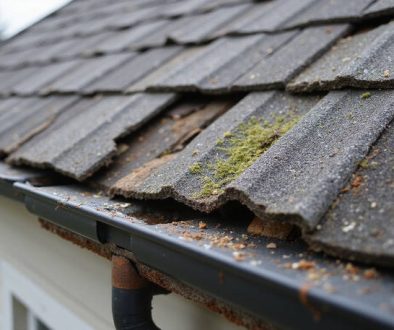
A localized roof repair is dependent upon the conditions surrounding the damaged area. Shingles that remain securely attached and flexible can normally be raised, worked in with new shingle material, and secured back into place. Generally, shingles that crack easily, severely curl, lose large amounts of granule material, and lose their adhesive capabilities will not provide an effective repair.
Additionally, the contractor should evaluate if the repaired area will perform in conjunction with the pre-existing roofing system. While having an approximate color match for the replacement is beneficial, it is secondary to having compatible products installed correctly. If the original product has been discontinued, the contractor should explain your options for alternatives prior to commencing work, along with any possible visual differences.
| Observed condition | What it may indicate |
|---|---|
| Shingles remain flat, secure, and flexible | Localized repair may be practical |
| Limited wear around one damaged area | Repair may restore the affected section |
| Widespread curling, cracking, or brittleness | Broader replacement evaluation may be appropriate |
| Compatible materials are unavailable | The contractor should discuss appearance, integration, and alternatives |
7. The Roof Decking Is Still Solid and Moisture Is Localized
Roof decking is the structural layer located underneath the underlayment (and then shingles). Therefore, if the existing decking near the damage location is firm, dry, and without significant rot or delamination, it would seem that a localized fix could potentially be successful. However, if the deck is soft, sagging, or badly stained over an expansive section of the deck, it’s possible the repairs will need to extend beyond what was initially anticipated.
While age can provide some insight into the condition of your deck, there are many other factors that contribute to its current state. These include past water exposure, attic ventilation, prior leaks, the quality of the materials used, and how they were installed. In addition, a roofer may access the underside of the decking by entering through an attic space. From either side (attic and roof), the roofer may use probes to determine how extensive the damage actually is. Additionally, the roofer may have to carefully cut out small amounts of decking material as needed to discover the extent of damage before repairs begin.
Often times, however, the attic provides the answers. A single stain or moist spot that leads directly to a specific problem may be repairable. Conversely, if you see moisture on several rafters with separate stains/damp spots throughout different sections of your roofing system or even throughout most of your insulation area(s), these indicate a larger issue requiring additional inspection.
When Roof Replacement May Be the Better Choice
The most important aspect of making a good repair choice is knowing when a fix will just delay having to replace your roof. It may make sense to have a complete review of your roof when one or more of these conditions are present:
- Shingles are brittle, curled, cracked, or failing across multiple roof slopes.
- Leaks recur in different areas despite previous repairs.
- Decking damage, rot, or sagging extends beyond one small section.
- Wind, hail, or falling debris has damaged a substantial portion of the roof.
- The roof has reached an advanced stage of wear and a repair would offer poor long-term value.
- The existing installation has widespread ventilation, flashing, underlayment, or fastening defects.
The decision to replace depends upon both the overall condition of the roof and the ability of the recommended repair to perform as intended (not the age alone). Ask to see pictures, find out how far the damage extends, and learn what is critical today versus nice-to-do.
If inspection findings show that the system is beyond a reliable repair, review North East Roofing & Home Improvement’s roof replacement services in Fairfield County, CT.
How a Roofer Determines Whether Repair Is Appropriate
You need a competent assessment that ties every suggested repair directly back to visual inspection. What was the probable point of entry? What shape are the nearby roofing components in? Is there hidden water? Can this repair be completed in conjunction with what currently exists?
- Exterior condition: missing, creased, cracked, loose, or worn roofing materials
- Flashing and penetrations: chimneys, vents, skylights, walls, and pipe boots
- Drainage: valleys, roof edges, gutters, and areas where water may back up
- Interior evidence: stains, damp insulation, mold-like growth, or damaged sheathing
- Structural condition: soft spots, sagging, rot, or delamination in the deck
- Repair compatibility: condition of nearby materials and availability of suitable replacements
If the source or extent of damage is unclear, schedule a professional roof inspection before deciding between repair and replacement.
What to Do After Storm Damage
After a storm, begin by identifying and documenting as much of the damage that you can safely see from the ground and inside the home. Take note of: any loose shingles or metal; water stains, drips; daylight coming in through gaps in the attic space (water may be coming in); any debris that has fallen onto the roof. If it is safe to do so, document the damage with photographs and make reasonable attempts to prevent further damage from additional water exposure inside the home.
The extent to which your insurance policy covers damages will depend on many factors, including the type of loss, the terms of your policy, deductible(s), exclusions and how the insurer assesses your claim. The fact that a contractor recommends that work be done does not necessarily indicate coverage. If you suspect that high winds, hail, or some other type of rapid event damaged your home, contact your carrier immediately after the event and maintain detailed documentation of each inspection performed, any protective measures taken to temporarily protect the affected area(s) and any subsequent repairs.
For urgent wind, hail, rain, or debris damage, visit the storm damage roof repair service page.
Frequently Asked Questions
Get a Clear Repair-or-Replace Recommendation
If your roof shows one or more of these signs, a professional inspection can determine whether targeted repair is appropriate. North East Roofing & Home Improvement serves homeowners throughout Fairfield County, including Stamford, Greenwich, Norwalk, Bridgeport, Fairfield, Westport, Darien, New Canaan, Trumbull, Shelton, Wilton, Ridgefield, and surrounding communities.
Explore roof repair services in Fairfield County, CT or call (203) 912-4059 to request an assessment.
Schedule a roof assessment to find out whether your damage can be repaired before it spreads.