Has your home recently faced harsh weather that might have damaged your roof? Strong winds, heavy rain, and hailstorms can cause serious roof problems that lead to leaks. Storm damage & roof leak detection should be a top concern for homeowners in Fairfield County Connecticut after severe weather events.
We’ll show you how to spot signs of trouble and take quick action to protect your home from water damage. Don’t wait until small leaks become big problems.

Key Takeaways
- Check your roof for missing shingles, dark patches, and bent flashing right after storms to catch problems early.
- Water stains on ceilings, mold growth, and musty odors inside your home are clear signs of roof leaks that need quick action.
- Use thermal imaging to find hidden moisture that your eyes can’t see by detecting temperature differences in your roof structure.
- The hose test helps find exact leak spots by spraying water on different roof sections while someone watches inside for water entry.
- Place tarps over damaged areas and use roof cement for small holes as temporary fixes until a pro can make proper repairs.

Identifying Storm Damage
When there are severe weather conditions such as heavy rains, thunderstorms and even snow, it is extremely important that you inspect your house immediately for possible damage from the storm. Damage caused by storms is usually easy to identify when inspecting your house interior and exterior.
Exterior Signs: Missing shingles, granule loss, flashing damage
If you do not detect roof damage quickly enough, this could result in very expensive repair bills. It is relatively simple to identify potential issues on your roof by doing a quick inspection from the ground level, or getting up close to get an accurate assessment.
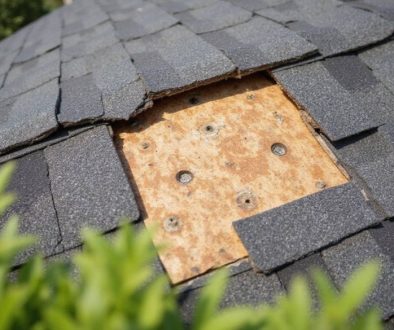
- Missing shingles create bare spots on your roof where the protective layer is gone. After thunderstorms, check your gutters for displaced asphalt shingles that may have blown off during high winds.
- Dark patches on your roof often signal granule loss, which happens when hailstones hit your roofing materials. These granules protect your roof from sun damage, so their absence shortens your roof’s life.
- Bent or rusted flashing around chimneys and vents allows water to seep into your home. This metal material should form a tight seal where different roof sections meet.
- Dented metal surfaces appear after severe hail storms and need quick attention from a roofing contractor.
- Cracked or curled shingles can’t protect your home from rain and snow. These damaged areas create entry points for water that will eventually reach your attic.
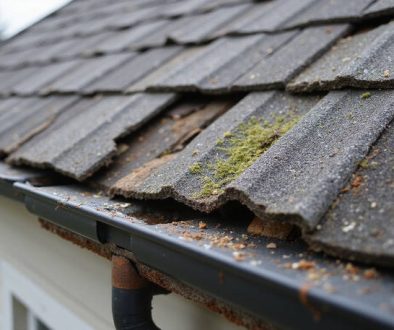
- Gutter damage such as sagging sections or detachment from the house often happens during winter weather. Clogged or broken gutters can’t direct water away from your foundation.
- Debris buildup from trees or storm trash can scratch and damage your roof’s surface. Large branches might even punch holes through the sheathing below.
Now let’s explore how these exterior problems can show up inside your home through water stains and other interior signs.

Interior Signs: Water stains, mold, increased humidity
While exterior damage is often clear after a storm, interior signs can tell you just as much about your roof’s health. Inside your home, subtle clues reveal leaks that might go unnoticed from the outside.
- Water stains on ceilings or walls act as red flags for roof leaks caused by storm damage. These yellow or brown rings spread outward as more water seeps through the same spot.
- Peeling paint or bubbling wallpaper signals moisture has penetrated your walls, often from roof leaks that travel down interior structures.
- Mold growth appears in dark patches on walls and ceilings, showing that moisture problems exist from ongoing leaks. This fungus needs prompt attention as it can affect your family’s health.
- Musty odors throughout your home often come from hidden moisture and developing mold colonies in walls, attics, or insulation.
- Higher indoor humidity levels might mean water is entering your home through roof damage. Your home will feel sticky or damp even without visible leaks.
- Dripping sounds during or after rain point to active leaks that need fast attention before they cause major damage.
- Sagging sections of ceiling indicate water has collected above, weakening materials and creating a risk of collapse if not fixed quickly.
- Wet insulation in your attic loses its R-value and effectiveness, leading to higher energy bills along with potential mold issues.

Roof Leak Detection Methods
Identifying roof leaks requires specific leak detection methods to locate where leaks occur before extensive damage happens. The North East Roofing & Home Improvement team uses multiple proven methods to determine where leaks originate on all types of roofing systems, including flat roofs.
Visual Inspection
Visual inspections form the first line of defense against roof damage. North East Roofing & Home Improvement experts suggest walking around your property after storms to spot trouble signs.
When you inspect your home’s exterior, look for missing or damaged shingles, dark patches showing granule loss, and bent or rusted flashing. If you notice any of those problems, there could be serious issues developing that may require immediate repair. Also check your gutters, because shingle granules wash down into your gutter system during rain.
If you have noticed water spots appearing on your interior ceiling or walls, you probably have a leak somewhere in your roof which needs to be addressed. In addition to visual signs, mold growth or increased humidity levels inside your home also indicate possible roof-related water intrusion. Regularly checking your roof for damage can allow you to identify minor problems before they become significant and expensive.
Always make safety the top priority when performing self-inspections. It is recommended to hire professional roofers for complete examinations, especially of flat roofs or after severe hail damage.
Thermal Imaging
Using a thermal imaging camera is a great method to detect hidden roof leaks. The camera detects temperature variations within your roof and displays them visually as hot or cool spots. As soon as a storm passes through, a thermal imaging camera allows you to quickly spot any cool areas, indicating that water is still present in your ceiling or wall.
By conducting regular maintenance exams using thermal cameras, many roofing-related problems can be identified early on before extensive damage occurs.
A combination of thermal scanning technology and a good old-fashioned visual inspection is the best way to get an overall assessment of your roof. With thermal scanning, you are able to quickly identify exactly which area(s) of your roof have been penetrated by rain, avoiding the expense of tearing out sections of drywall or ceiling to locate a leak.
With thermal imaging, many homeowners are also able to prevent expensive future repairs by identifying minor leaks that can become major ones, before it’s too late.
Hose Test
The Hose Test is another simple technique to help detect roof leaks after storms. Essentially, the hose test simulates the effects of rain by spraying water onto different parts of your roof while a person watches from the inside for signs of water entering the home.
Once the hose test identifies the exact spot (or spots) where the roof is allowing water to enter the home, you will know exactly where to apply additional attention.
Using the hose test for roof leak detection greatly increases accuracy, because it allows you to observe in real time how water moves through damaged areas.
For best results, start at the lowest part of your roof and move upward. Many homeowners try this test themselves, but pros have the right safety gear and know-how to do it right. A professional can spot subtle signs of water intrusion that you might miss.
The hose test is most effective when combined with visual inspections and thermal scanning, so if you are dealing with storm damage to your roof, it makes sense to use all three inspection techniques.

Steps to Address Roof Damage
After a storm has caused damage to your roof, time is of the essence in order to prevent further damage. Tarps and sealants can be used as emergency patches to protect against additional rain and water intrusion until a qualified roofer can inspect and repair the damaged area.
Temporary Repairs
Tarps should be applied directly over damaged areas on your roof to keep rain out. Tarps can be secured by nailing them down, stapling them or weighing them down with heavy objects. Roof cement is also a good temporary solution for small holes and cracks until a professional roofer can permanently repair the area.
If your leak is inside, place buckets underneath where it is leaking, and take valuables out of the path of the water. Cleaning debris out of your gutters can also help water flow off of your house. While these easy fixes will not permanently fix your roof issues, they will protect your house from additional water damage until you get someone to repair it professionally.
Most temporary patches should hold up for a few days to a week, giving you time to get help.
Professional Assessment
After storm damage, hiring a roofing professional has many advantages. A good roofer can see potential problem areas in your roof which you cannot, such as broken flashing or damaged shingles. A roofer who is experienced will have the proper equipment and safety measures to climb onto your roof and inspect each and every part of it.
Having them document what they see with pictures during an inspection can also help your insurance claims process.
In addition to checking the outside of your roof for any signs of damage, a complete examination will include checking for signs of damage indoors. Signs that a leak may be coming into your home include ceiling water stains, mold growing in places that do not normally grow mold, and higher than normal humidity levels. Professionals use specialized equipment, including moisture meters and thermal cameras, to identify areas that may have sustained water damage. Your insurance provider may require documentation of the details found during the inspection before authorizing payment for the repairs.
Conclusion
Storms can cause serious damage to a house’s roof quickly. Therefore, the sooner you respond to storm damage to your roof the better. Protecting your house from water damage through proper leak detection and repair is crucial. Regular inspections of your roof will allow you to find small problems before they become larger and costlier.
Smart homeowners take note of their shingle condition after a storm, and call in the professionals as soon as possible. For storm damage and roof leak detection in Fairfield County, call North East Roofing & Home Improvement at (203) 912-4059 and keep your family safe and dry.
FAQs
1. How can I spot roof damage after a storm?
Look for missing or broken shingles, water stains on ceilings, and damp spots in the attic. Check your gutters for shingle bits, as these can wash down during heavy rain. You might also notice leaks during rainfall, which often point to storm damage that needs fixing right away.
2. What tools do I need for roof leak detection?
A flashlight, binoculars, and a ladder are basic tools for checking your roof. Sometimes, a moisture meter helps find hidden water damage in walls and ceilings.
3. When should I call a pro instead of checking storm damage myself?
Call a pro if you see major roof damage, if your home is more than one story tall, or if you feel unsafe on a ladder. Safety comes first when dealing with roof issues.
4. How often should I check my roof for storm damage?
Check your roof twice a year and after every major storm. Regular checks help catch small problems before they turn into big, costly repairs. This habit saves money and keeps your home safe from water damage.