Is your roof making strange noises or showing signs of damage after recent storms in Fairfield County? Most homes in Connecticut need roof inspections at least once a year due to our harsh New England weather patterns.
Our expert guide will show you what to look for during roof inspections and how to find trusted professionals in towns like Danbury, Greenwich, and Stamford. Your home’s protection starts at the top.
Key Takeaways
- Fairfield County homes need roof inspections twice yearly due to harsh New England weather patterns that cause shingle damage and leaks.
- Small roof problems caught early might cost hundreds to fix, while waiting leads to thousands in repairs for water damage and mold growth.
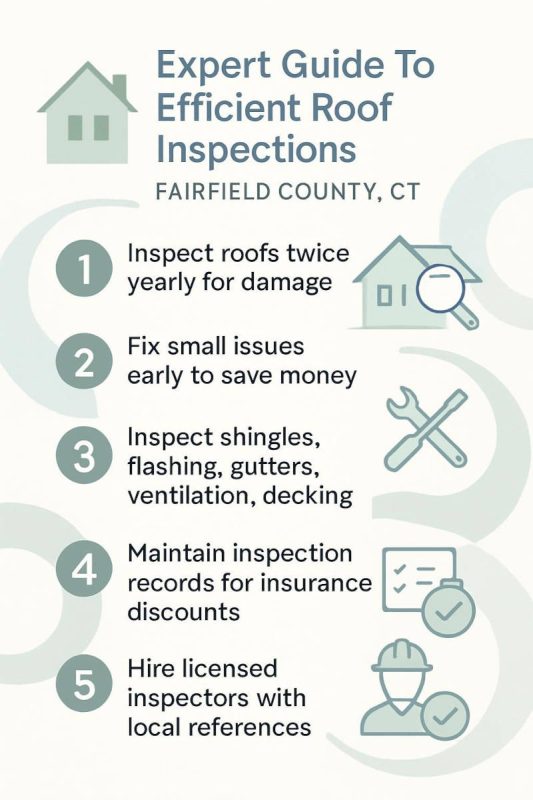
- Professional inspectors check five key areas: shingles, flashing, gutters, ventilation, and roof decking to spot problems before leaks start.
- Insurance companies often offer lower premiums to homeowners who maintain their roofs and keep inspection records.
- When hiring a roof inspector, check for proper licensing, ask for local references, and get a detailed written report with photos for insurance claims.
Importance of Regular Roof Inspections in Fairfield County, CT
Connecticut weather conditions are stressful to many homes throughout the entire year.
Your roof will be exposed to all four of the extreme Connecticut seasons (heavy winter snows, rainy spring days, hot summer sun, fallen leaves and branches from trees during the fall), which may lead to damaged shingles, leaks, and problems with flashing and gutters.
Most Fairfield County homes need roof checks twice yearly to catch small issues before they turn into costly repairs.
Regular roof inspections save money for homeowners in Bethel, Darien, Norwalk, and other Fairfield County towns. A small leak found early might cost a few hundred dollars to fix, while waiting can lead to thousands in repairs for water damage, mold growth, and structural problems.
In addition, many insurance providers in Connecticut provide discounted premium rates to homeowners who maintain their roofs. North East Roofing & Home Improvement experts can spot problems with your roof’s ventilation, drainage and materials before extensive damage is caused to your Fairfield County home.
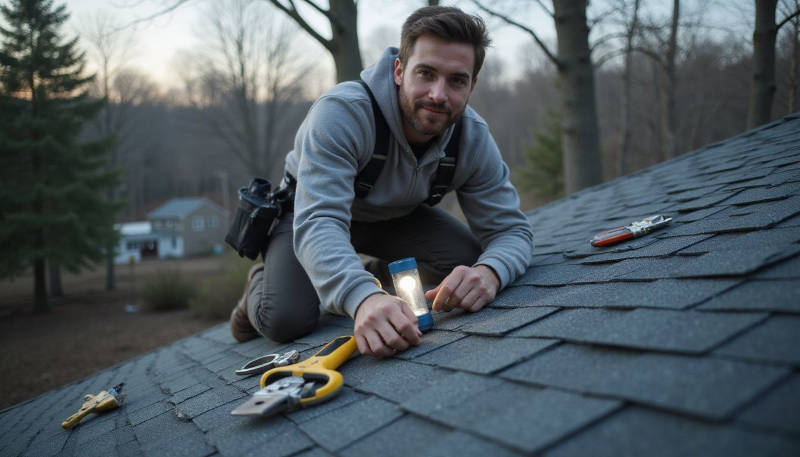
Key Components of a Roof Inspection
A thorough roof inspection covers all sections of the roof system, from the shingles to the hidden ventilation components, using specialized equipment to identify potential issues before they become leaks.
Shingles and Tiles
Roof shingles and tiles form the first line of defense for homes in Fairfield County. These materials take a beating from harsh Connecticut winters, summer storms, and everything in between.
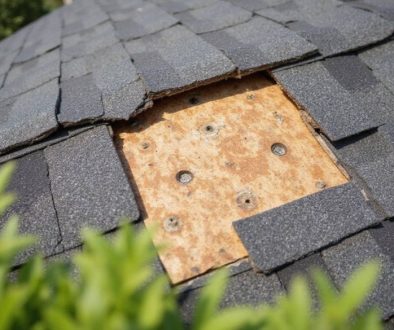
Roof inspections in towns such as Westport and Ridgefield are likely to find cracked, curled, or missing shingles that a homeowner would have never seen while standing on the ground. Asphalt shingles typically last 20 to 25 years, while metal roofs can protect Fairfield homes for 50+ years with proper care.
Professional roofers check your asphalt shingles for granule loss, which signals aging and reduced protection. For example, those who live along the coast, in towns such as Stratford, may see accelerated wear due to salt in the air.
Inspectors will be looking for cracks in your tile roof that could let water leak into your attic. In many cases, residents of Fairfield County do not recognize the potential damage that small shingle issues can cause for future claims on their homeowner insurance policy.
By having regular checks performed on your roof you will identify potential problems early, so you can save money by avoiding major repairs.
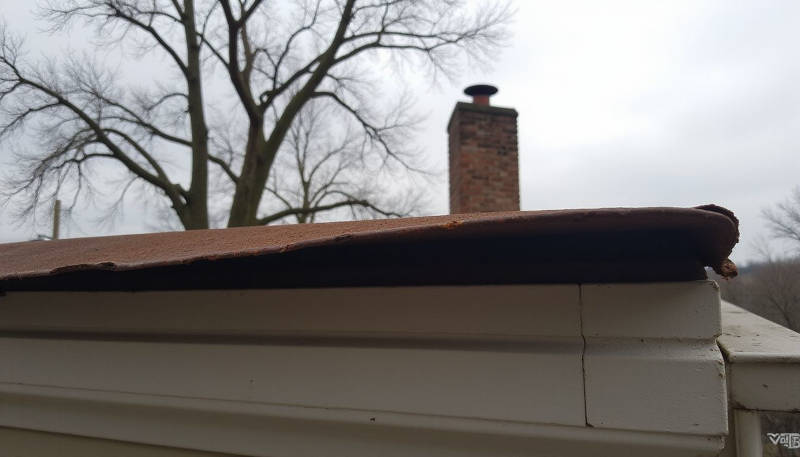
Flashing and Seals
Flashing serves as your roof’s first line of defense against water at the most vulnerable spots. These metal strips seal the joints where your roof meets walls, chimneys, or skylights in homes across Fairfield County.
In places such as Trumbull and Shelton, it is essential to have properly flashed roofs so that you are protected against moisture entering your attic and leading to potential problems with mold or rot. Neglecting to replace damaged or rusted flashing can create costly leaks which may not be covered by your homeowner’s insurance because they were caused by lack of care.
It is also important to regularly inspect rubber boots and sealants surrounding all areas where there are roof penetrations. The extreme winter weather conditions experienced in Connecticut locations like New Canaan and Weston will often crack rubber boots and deteriorate sealant, creating new paths for water to enter your home.
A qualified roof inspector should check all seals for gaps, cracks, or missing caulk that could compromise your home’s protection. Maintaining these components properly can help keep your home energy efficient while preventing expensive repairs in the future.
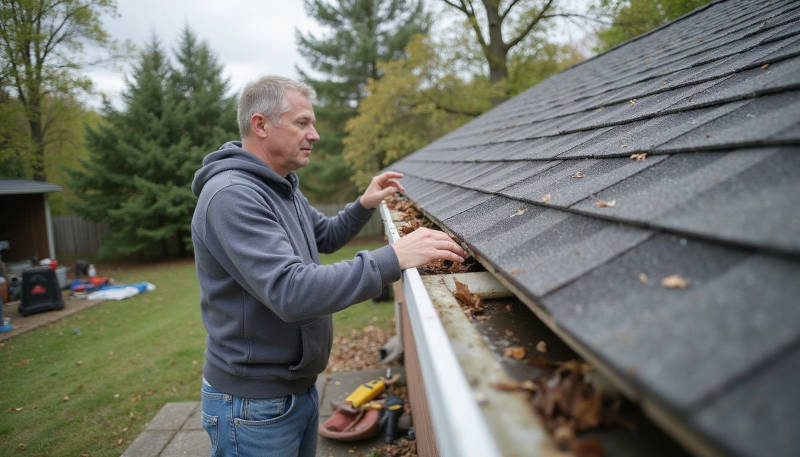
Gutters and Drainage
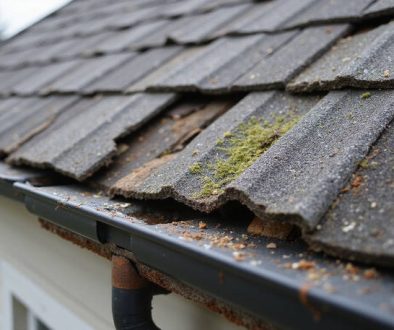
Properly functioning gutters on your Fairfield County home direct rainwater away from your home’s foundation. If your gutters become clogged in towns like Brookfield or Monroe, water can flow back toward the edge of your roof or damage the siding of your home. Also, if left unchecked, clogged gutters can lead to basement flooding.
Your roof inspector should check for proper gutter slope, whether gutters are securely attached to the fascia board, and if gutters show rust or seam separation.
Proper drainage prevents costly water damage to homes in Newtown and Wilton, where heavy New England storms are common. Many property owners do not recognize that poor drainage can also be the source of problems with insurance companies.
A good inspector looks for clogged downspouts, standing water, and makes sure water flows at least five feet away from your foundation. Gutter guards can be a smart addition for homes surrounded by trees in wooded areas like Redding or Sherman.
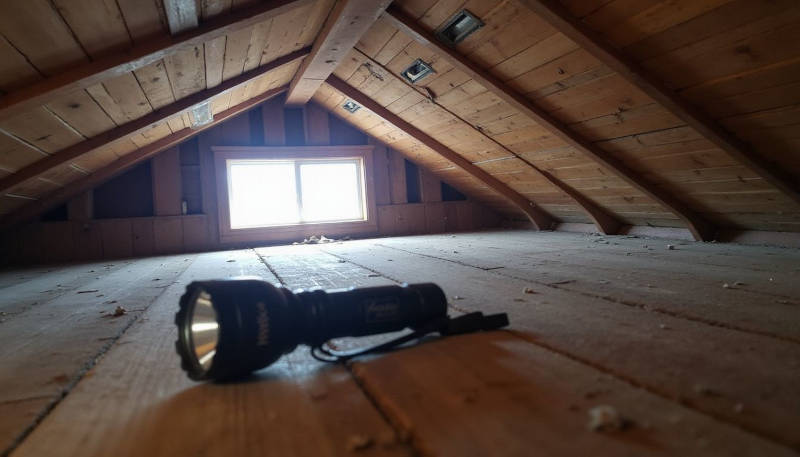
Ventilation and Roof Decking
Your attic breathes as long as you have proper roof vents installed in your Fairfield County home. Air circulation is necessary to keep your roof deck (the layer of wood beneath your shingles) free of moisture and strong. Bridgeport and Easton are subject to extreme weather patterns, going from extremely hot in the summer to snow in the winter. A roof deck can be significantly damaged when there is no airflow, because the moisture becomes trapped and causes the wood to decay and creates mold.
Good ventilation systems include soffit vents, ridge vents, and sometimes power fans that work together to ventilate your attic area.
Roof decking inspections check for sagging, water stains, or soft areas of the decking that would indicate an issue exists. However, many homeowners in New Fairfield and Wilton often miss these warning signs until they incur major damage to their roofing system.
A professional inspector will crawl into your attic with a flashlight to view the underside of your decking to determine if any daylight is showing through (this indicates a problem) and test the integrity of the wood. This portion of the inspection is critical for flat roofs because they are more prone to water pooling than pitched roofs.
Common Roof Issues Identified During Inspections
Roof inspectors in Fairfield County see missing or broken shingles all the time. Shingle defects let water leak into houses in Wilton and other towns in Fairfield County through the gaps, which creates attic, ceiling and wall damage.
Another common defect is cracked flashing around chimneys and vents, and most homeowners do not find out about it until serious damage has occurred. Clogged gutters also create areas where water will seep underneath your roofing material, and ice dams form during cold New England winters.
If you notice mold or algae growing on your roof, it could be a sign of excess moisture, and if the wood structure of your roof stays wet it could begin to rot. Insurance companies sometimes require homeowners to prove regular maintenance of their property prior to paying for major roof repairs.
Sagging sections of a roof can be an indication of an underlying issue that has resulted in structural damage, usually caused by water damage or poor ventilation. The granules falling off of asphalt shingles leave bald spots that expose your roof to the elements and decrease its overall life span.
Tips for Choosing a Professional Roof Inspector
Hiring the right roof inspector in Fairfield County can give you peace of mind about the condition of your roof. They are able to identify problems before they turn into costly repairs.
- Check for proper licensing and insurance before hiring any roof inspector in Connecticut.
- Ask about their experience with your specific roof type. An inspector familiar with Connecticut’s weather patterns knows what damage to look for on your shingles.
- Request references from past clients in your area. Local homeowners can tell you about their actual experiences with the inspector’s work quality.
- Make sure they offer a detailed written report with photos. This documentation often helps with homeowners insurance claims after storms hit Fairfield County.
- Compare quotes from at least three different inspectors. Prices can vary widely across Connecticut, so shop around for fair rates.
- Ask if they use modern tools like drones or infrared cameras. These tools help inspectors see problems that aren’t visible to the naked eye.
- Find out if they offer repair services or only inspections. Some companies do both, which might affect how they report problems.
- Check online reviews and ratings from local customers. The experiences of other Fairfield County residents give you real insights into an inspector’s reliability.
The benefits of scheduling regular roof inspections go far beyond just finding current problems.
Benefits of Scheduling Regular Roof Inspections
Regular roof inspections save dollars over time. Small issues such as missing, damaged or loose shingles or other minor leaks are relatively inexpensive to correct now but can be expensive to repair later on. Due to extreme winters and intense summer storms in Fairfield County, Connecticut, many homeowners have paid higher than average prices for repairs.
Your roof protects everything inside your house: your family, your furniture, and your keepsakes.
Routine inspections of your roof will also increase your home’s value and prolong its lifespan. Your insurance company may give you better rates or discounts based upon your roof being inspected regularly.
If you do nothing, you could find yourself paying much more money down the line. The cost of a yearly inspection is minimal compared to the potential savings and peace of mind it provides.
Conclusion
Your roof serves as your home’s first line of defense against the unpredictable and often harsh weather conditions of Fairfield County. Smart homeowners in towns such as Westport, Greenwich, and Wilton understand how a simple roof inspection helps save money and prevents bigger problems.
Find a trusted local roofer who has been doing business in the area for some time, so they can give you peace of mind during each season. Do not let leaks develop before you take action. Call North East Roofing & Home Improvement at (203) 912-4059 to set up a roof inspection today and keep your Connecticut home protected for years to come.
FAQs
1. Why are roof inspections important in Fairfield County, Connecticut?
Roof inspections in Fairfield County protect your home from our harsh New England weather. They catch small problems before they become big, expensive repairs. Regular checks can also extend your roof’s life by many years.
2. How often should I get my roof inspected in Wilton?
Homeowners in Wilton should schedule roof inspections at least once a year. After major storms or high winds, it’s smart to get an extra check, even if your roof looks fine from the ground.
3. What does a professional roof inspection in Fairfield County include?
A thorough roof inspection covers shingles, flashing, gutters, and attic ventilation. The expert will look for water damage, missing materials, and structural issues that might not be visible to untrained eyes.
4. How long does a roof inspection take in Fairfield County?
Most roof inspections in Fairfield County take between 30 minutes to two hours. The time depends on your home’s size, roof complexity, and if any problems need closer attention.